
The organisation is the experience of its systems.
An organisation is not its process map or declared values. It is the pattern people encounter: who can decide, what becomes invisible and where the cost lands.
Delivery · innovation · technology · organisational change
Across more than 12 years in technology operations, Agile delivery and organisational change, I have helped teams make clearer decisions, improve how work moves and turn promising ideas into practical interventions that people actually use.
Selected work
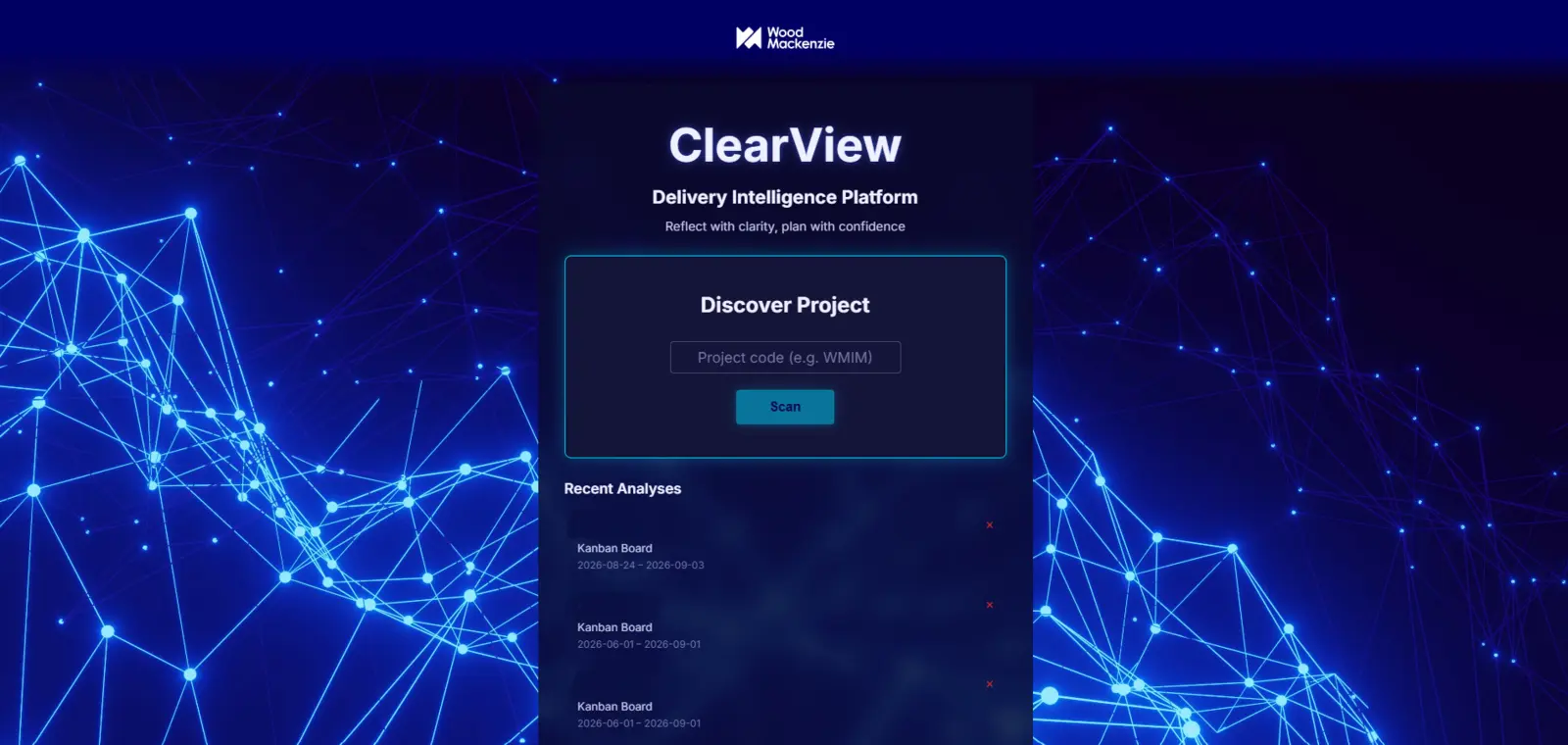
A delivery problem before it was a product: turning Jira evidence into earlier, better decisions about commitment, flow and planning confidence.
02 / Organisational capabilityRevived a previously inactive community and developed it into a platform for cultural change, capability development and practical innovation.
03 / Agile deliveryAn agent that turns Jira evidence into a short account of flow, risk and planning readiness while teams establish a new way of working.
04 / Workplace innovationAn HR-sponsored question about burnout and organisational change, carried from an open brief into a working reflection experience.
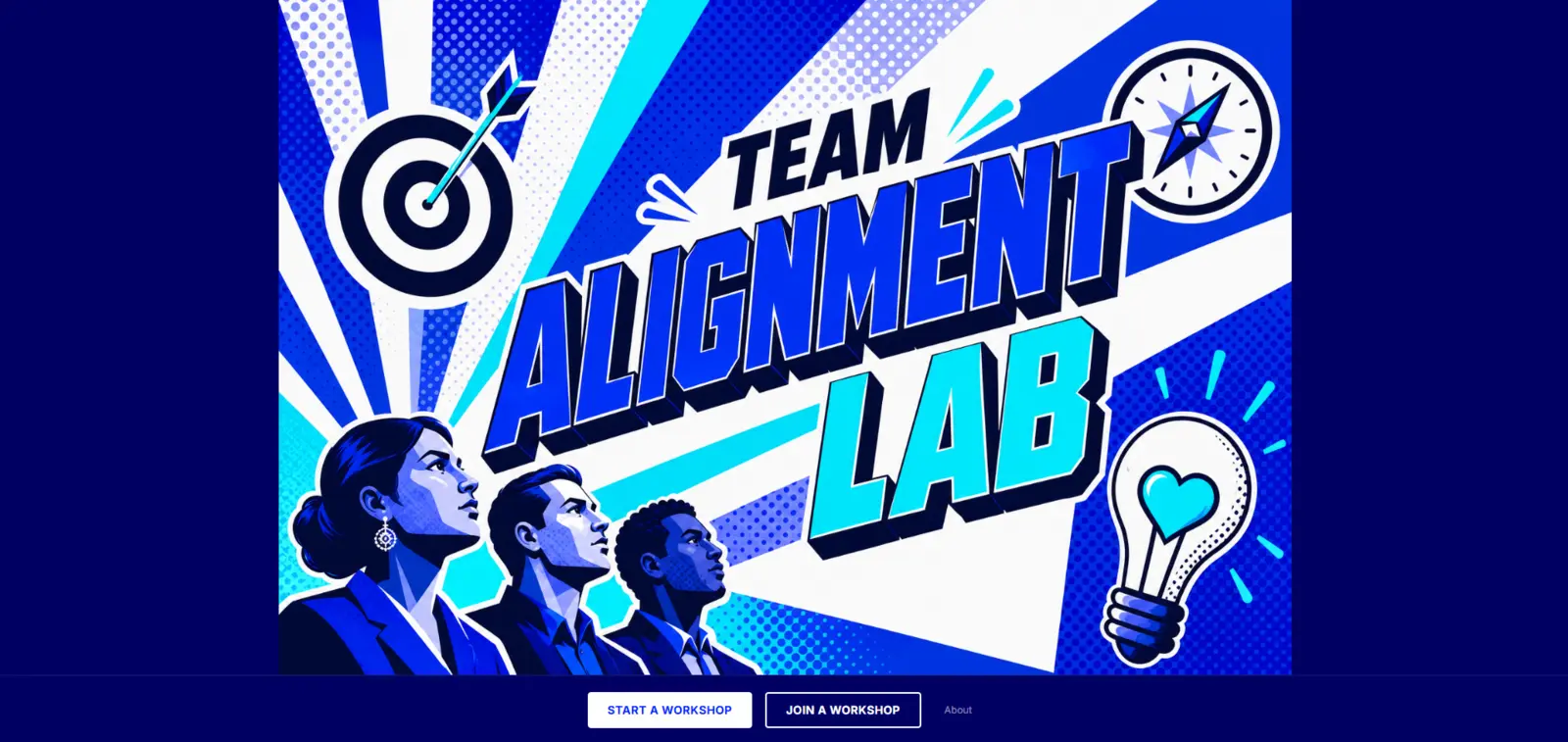
05 / Team developmentTurned purpose-and-values facilitation into a reusable digital experience that teams can return to after the workshop ends.
Ideas / working positions
These are the propositions beneath my delivery and innovation practice: ways of thinking about organisations, technology, change and what happens when plans meet reality.
An organisation is not its process map or declared values. It is the pattern people encounter: who can decide, what becomes invisible and where the cost lands.
The value of an intelligent system is not that it removes people from the loop. It is that it gives them better evidence, wider attention and clearer boundaries.
A system can learn the language of care, creativity or autonomy without being changed by any of them. The test is what becomes possible for people.
Plans meet constraints, dependencies and human judgement. The quality of delivery reveals whether the surrounding system helps people act or merely asks them to cope.
How I work
I move between detail and system: close enough to read the logs, board history or workflow, and far enough back to see the dependencies, decisions and conditions shaping the work. That is how a platform initiative regains ownership, a delivery problem becomes ClearView and an open HR question becomes Waterline.
Find the real problem beneath the request, especially when ownership is unclear or the official account does not explain the work.
I look for the dependency between teams, the queue nobody can explain, the evidence inside the noise and the burden the system has quietly placed on people.
Bring the right people around a shared account of the problem, the decisions it requires and the boundaries of a credible response.
Clear ownership, useful evidence and an honest view of constraints create the conditions for delivery before a plan, product or process is imposed.
Create enough structure to make progress: align teams, redesign the flow or build a working intervention that can meet reality.
Sometimes the answer is coordination across departments. Sometimes it is a new operating rhythm, an agent or a product. The form follows the problem.
Stay with the delivery through production, adoption and learning. A promising response matters only when it changes what people can do.
I watch what happens in use, listen for friction and adjust the work. The point is not novelty or compliance. It is stronger delivery that holds.
Alec Martin / Edinburgh
I lead delivery across technology, teams and organisational change.
For more than 12 years, I have worked where services are under pressure, delivery crosses boundaries or a promising idea still needs a route into practice.
My foundation is delivery. The distinctive part is how I combine it with organisational judgement, technical literacy and the ability to make an intervention tangible.
My background runs through application operations, DevOps/SRE, incident leadership and Agile delivery. I have coordinated a business-critical platform initiative across five teams, three departments and an external agency; led and supported teams changing from Scrum to Kanban; and revived an Agile Community of Practice as a platform for capability and cultural change.
Alongside that work, I use user-centred and AI-assisted development to test ideas in working form. Waterline, ClearView, Alignment Lab and Kanban Board Steward show the same method at a different scale: understand the real problem, shape a credible response and carry it into use. I am development-aware rather than a software engineer, and clear about when specialist engineering assurance matters.
I am happiest when the work matters, the route is not yet obvious and there is room to improve both.